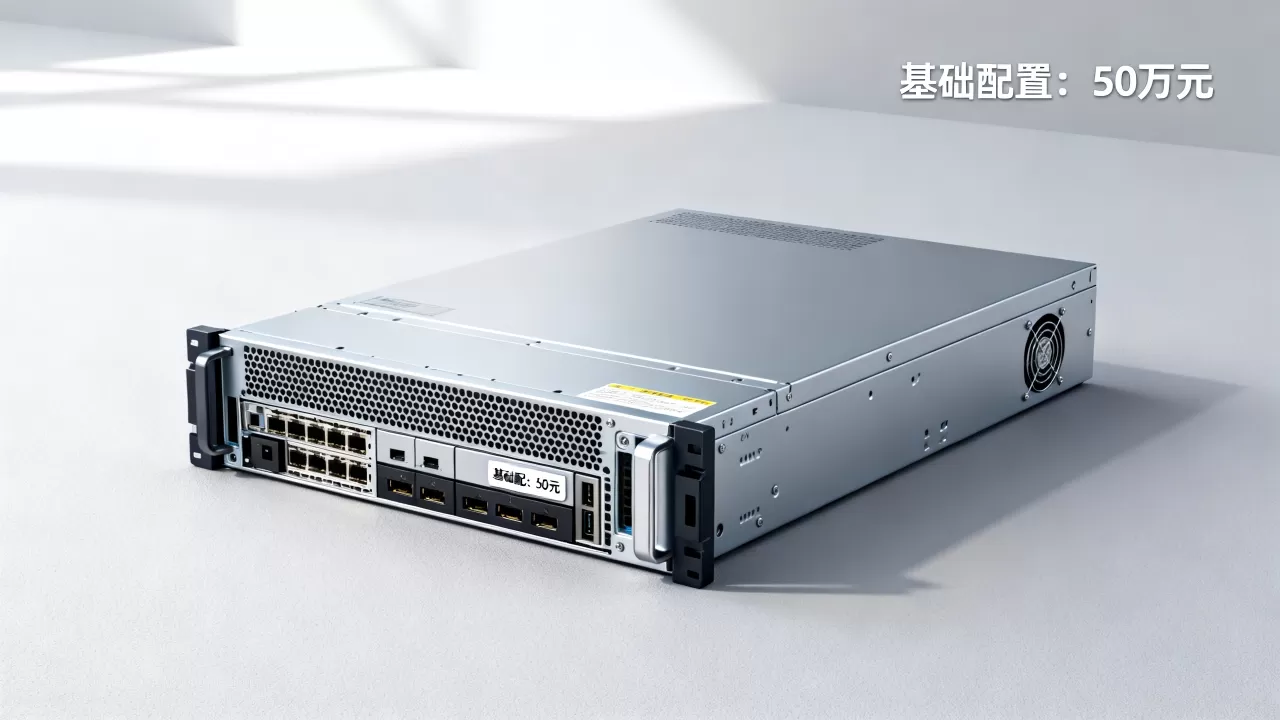
A signed contract can still see price increases before delivery. According to the Financial Times, Dell, HPE, Lenovo and Super Micro Computer were found to have raised quotes for customers who had already signed contracts before equipment delivery, with increases of up to 45%. For enterprises eager to bring computing capacity online, the issue is not only spiraling budgets, but also contract prices and deployment timelines.
Contract Signed, but the Price Can Rise 45% Before Delivery
AI server procurement has exposed a problem buyers can no longer easily avoid: signing a contract does not necessarily lock in the price. A quote negotiated just months ago may be followed by demands for a 25%, 30%, or even 45% increase when the equipment is ready for delivery.
According to the Financial Times, Dell, Hewlett Packard Enterprise (HPE), Lenovo, and Supermicro have all sought to raise prices before delivery. The products involved are AI servers equipped with Nvidia chips, with each system also including a GPU(a high-speed processor designed for parallel computing), memory chips, and networking equipment. The 45% figure is the maximum increase proposed by suppliers and does not mean every order will rise by that amount.
AI server suppliers named as seeking price increases before delivery
Pre-delivery price increases disclosed for some orders
The interval between contract signing and equipment being prepared for delivery
The problem lies in the contracts themselves. Some contain quotes with room for adjustment at the time of delivery, while the buyers interviewed did not verify whether their contracts explicitly included price-increase clauses. Signing a contract does not necessarily mean the final amount payable has been locked in.
Ordinary businesses are not the only ones facing price increases. Large financial services and trading firms are the main buyers of computing equipment after major technology cloud providers, building their own data centers to support financial operations and trading-strategy research. Even when demand is strong and contracts have already been signed, these companies may still choose to accept higher prices if computing capacity cannot arrive on time.
One source said price increases of 25%, 30%, or even 45% were “genuinely unsettling.” Another buyer described the current practice as signing a contract with a reference price, only for the price to be increased at delivery. The buyer also said they had never refused because computing capacity was essential and they were willing to pay whatever it took.
For procurement teams, the issue is no longer whether they can afford the equipment, but whether their original budgets can cover the newly set prices at the time of delivery. However, the reports of price increases are based on statements from sources and published reporting, and no vendor has publicly confirmed them. There is also no independent retesting of the 45% figure or unified sample of contracts available for verification.
Memory Prices Rose 400%. Who Ends Up Paying?
A server contract locks in only the starting point. What determines the final payment is how component costs pass through to the system price—and who along that chain has nowhere else to go.
AI servers command high prices for reasons beyond the GPU. According to the Financial Times and research from JPMorgan, memory costs have climbed more than 400% since early 2024. Memory is a core server component that carries running data, and when its price rises, the price of the entire system follows—suppliers simply pass that cost down the chain.
The direction of cost transmission is clear: memory prices rise, system prices increase, and the burden ultimately falls on buyers building their own data centers. These buyers need computing power quickly to advance their businesses, making it virtually impossible to switch suppliers at the last minute before delivery, leaving them little room to negotiate.
The scarcer computing power becomes, the weaker buyers’ bargaining power grows. One buyer put it plainly: sign a contract with a reference price first, and the price may still be raised when the equipment is delivered. Sellers cannot afford to miss this delivery window because the customer may walk away; buyers who delay deployment lose time for their businesses. Once both sides run the numbers, a price increase is easier to accept.
Accepting it, however, does not mean the terms are clearly written. None of the buyers interviewed confirmed whether their contracts allow for price increases upon delivery. Exactly what a fixed price covers, and whether suppliers can add charges in response to component costs, depends on the specific wording of each contract. If procurement teams budget only for the contract price, they may underestimate the final payment; without cost-adjustment provisions or delivery guarantees, suppliers may also be unable to absorb changes on the buyer’s end.
The focus therefore should not be on the contract price, but on the gap between that price and the final payment. Who bears component costs, under what conditions price adjustments take effect, and which party can withdraw if servers arrive late or cannot be delivered at all—once those three questions are settled, the actual expenditure can be determined.