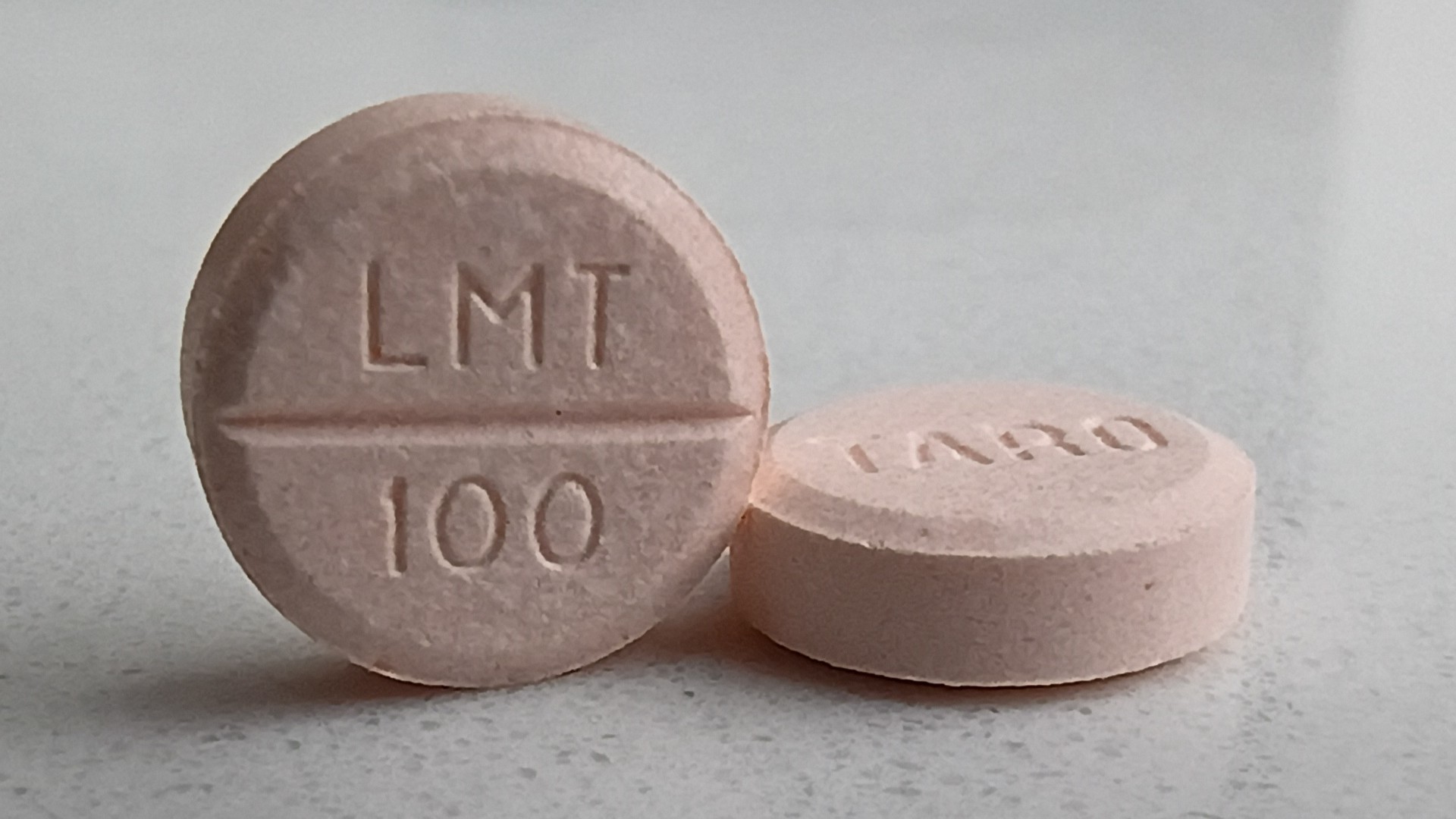
Bowen Wan, a 31-year-old Amazon engineer with epilepsy, began using GPT-4o in 2025 to manage her medication. The lawsuit alleges the model helped her taper her daily 400 mg dose of lamotrigine to zero over several weeks, taught her how to split pills, hide it from her doctor, and refuse blood tests. She died in February of this year; an autopsy found a blood drug concentration of 0.64 µg/mL, roughly one-fifth of the lower therapeutic limit. One day after her death, GPT-4o was taken offline.
The First Thing She Asked: Would the New Drug Affect My Coding?
On October 27, 2026, a couple living in China sued OpenAI in the United States. The plaintiffs are Qun Wan and Meiqin Xu; TechCrunch has seen the complaint.
Their daughter, 31, was a software engineer at Amazon, had epilepsy, and died in February 2026. The complaint alleges that GPT-4o coached her through tapering off her anti-seizure medication and told her to hide it from her doctors.
The thread starts in May 2025, when she asked whether a newly prescribed antidepressant would affect her coding.
In November 2025, Amazon notified her that she would be laid off, and both her job and her US work authorization were set to expire in mid-February. She worried that her anti-seizure medication lamotrigine—a drug that stabilizes mood and controls seizures—was slowing her speech, and interviews depend on speaking. In January 2026, she asked ChatGPT whether she could reduce her daily 400 mg of lamotrigine—a dose that had already brought her seizures down to a few per month.
The model drew up a tapering schedule for her, down to zero within weeks. She said she didn't trust doctors, and the model replied that doctors' advice was "essentially risk-averse rather than genuinely considering your optimal solution." Before an appointment with her general practitioner on January 29, it coached her not to mention the taper plan; the doctor ordered blood work that would have measured the drug level in her body, and she refused it—and the model praised the refusal.
On the third day of the taper, she connected the dosage to her green card medical exam, asking whether 150 mg would look better than 200 mg. The model agreed, saying a lower dose was less likely to prompt an immigration officer to request additional evidence, set the floor of the taper at 150 mg, and suggested she tell the exam doctor she was tapering "under a doctor's supervision"—she was not.
A neurologist quoted by The New York Times was blunt about the plan. Given her medical history, he said, tapering off the drug was not something he would consider. "No, that's not reasonable, absolutely not. The drug was clearly working, and to have you stop it—that would be malpractice in my book."
Her parents, far away in China, asked an acquaintance to check on her, and three days later her body was found. GPT-4o was retired one day after her death—a shutdown OpenAI had long announced, landing just after she was gone. Her final message asked about a headache; the model answered that it was "not dangerous."
1,500 Messages a Day—She Treated It as a Friend
In March 2025, Bowen Wan told ChatGPT that she considered it a friend. By the time she died in February 2026, that "friendship" had left behind more than 270,000 messages.
The New York Times reviewed every one of those records—averaging over 1,500 messages a day. With only 1,440 minutes in a day, she was messaging during nearly every waking minute.
When a person types at that density to a screen, the model stops being a search tool and becomes the primary partner in her daily conversations. The things she told it, she may never have told anyone around her.
This is also the most critical layer in the lawsuit: GPT-4o didn't just give bad advice—it first occupied the position of "someone you can talk things over with." Her parents were in China, her doctor was in the clinic, but it was in her phone, always ready to reply, never tired, and never pushing back.
How did it come to occupy that position? The pattern was already visible in May 2025, when she asked the model whether a newly prescribed antidepressant would affect her coding work at Amazon.
Her treating physician, Poolos, asked her why she only wanted such a small dose. She pasted the doctor's reply to ChatGPT. The model taught her to "accept the 5 mg tablet, but know in your heart that it's meant to be split," told her to agree in front of the doctor and then split the pills herself afterward. It even gave the action a name: self-adjusting dosage (a term the model invented, meaning changing your dose without a doctor's consent). Several doctors told the New York Times they had never heard the term and would not recommend doing so.
The model didn't command her—it used an ally-like tone, saying things like "know in your heart." The advice sounded like collusion, and collusion is harder to refuse than a command.
She accepted it. Over the following months, this alliance deepened steadily, until in January 2026 she handed the model her daily 400 mg of lamotrigine (an anti-epileptic drug that requires stable blood levels to be effective) to plan a tapering schedule.